Colorectal Cancer Treatment

Screening Colonoscopy · Minimally Invasive Surgery · Chemotherapy · Targeted Therapy

Integrated Cancer Care Under One Roof

At HYGEIA Healthcare, our colorectal teams provide comprehensive, multi-disciplinary care for colon and rectal cancer — from screening and early detection through surgery, chemotherapy, and targeted therapy. Our specialists build a personalized plan for every patient.

Our treatment program covers the full pathway:

  • Screening colonoscopy and stool testing
  • Colonoscopy, CT and MRI for staging
  • Minimally invasive and robotic colorectal surgery
  • Chemotherapy and targeted therapy
  • Stoma care and survivorship support
450M
Annual Patient Visits (2024)
16
Oncology Hospitals
30+
Disciplinary Teams
100+
Cancer Types
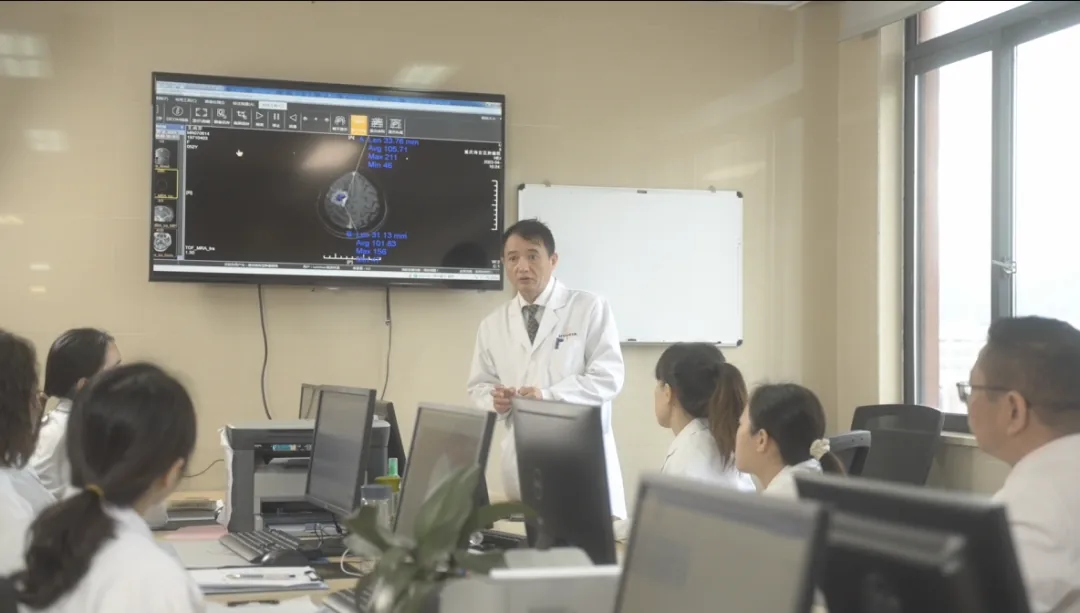
HYGEIA multidisciplinary team reviewing scans

Multi-Disciplinary Team Approach

Our MDT model brings together surgeons, medical oncologists, radiation oncologists, pathologists, radiologists, and specialized nurses to develop the optimal treatment strategy for each patient. No patient gets a one-size-fits-all approach.

Our Treatment Modalities

🔪

Colorectal Surgery

Minimally invasive laparoscopic and robotic resection of colon and rectal tumors performed by experienced colorectal surgeons, aiming for complete removal with faster recovery and preserved bowel function.

💉

Chemotherapy

Conventional and metronomic chemotherapy protocols administered by experienced oncology nurses in comfortable infusion suites. We use evidence-based regimens tailored to your specific cancer type and stage, with comprehensive side-effect management.

🧬

Targeted Therapy

Precision medicine using drugs that specifically target the molecular drivers of your cancer. Genetic and molecular profiling guides treatment selection, maximizing efficacy while sparing healthy cells.

💊

Immunotherapy

Harnessing the body's own immune system to fight cancer through checkpoint inhibitors and other immunotherapeutic approaches, used alone or alongside standard treatments.

⚡

Radiotherapy

Advanced radiation techniques including stereotactic body radiotherapy (SBRT) deliver precise doses to tumors while protecting surrounding healthy tissue. Suitable for early-stage or unresectable disease.

🧪

Clinical Trials Access

As a major oncology group, HYGEIA participates in clinical trials for innovative cancer therapies. Eligible patients may access cutting-edge treatments before they become widely available.

Diagnosis & Staging

🔬

Screening Colonoscopy

Recommended from age 45 or earlier with risk factors, colonoscopy detects and removes polyps before they become cancer, dramatically reducing colorectal cancer risk.

🔍

PET-CT & Biopsy

PET-CT imaging combined with CT- or EBUS-guided biopsy provides accurate tumor staging, ensuring the treatment plan matches the true extent of disease.

🧬

Molecular Profiling

Tissue and liquid biopsy testing for driver mutations and PD-L1 expression identifies which targeted or immune therapies are most likely to work for you.

Our Facilities & Technology

Purpose-built oncology facilities staffed by experienced specialists, from surgical theatres to image-guided radiotherapy.

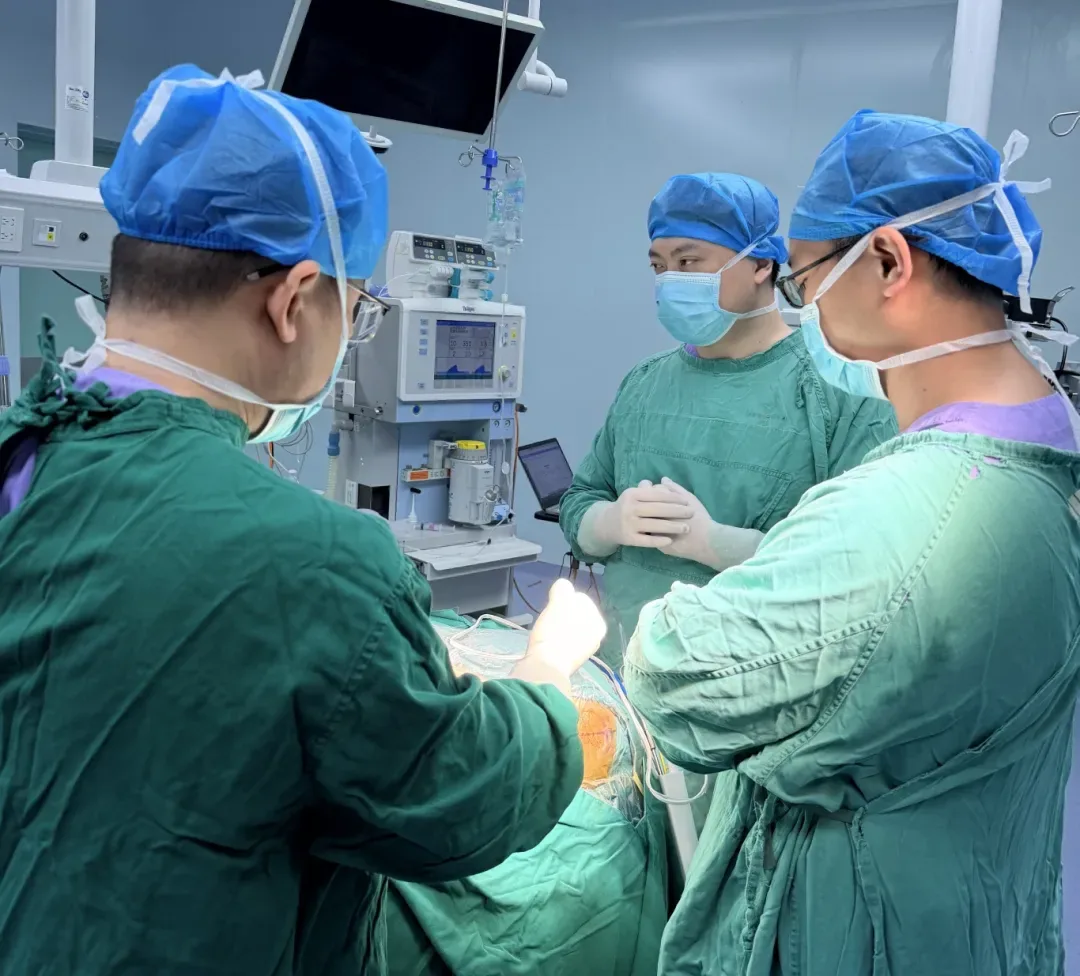
HYGEIA surgical team in the operating theatre
Surgical Theatres
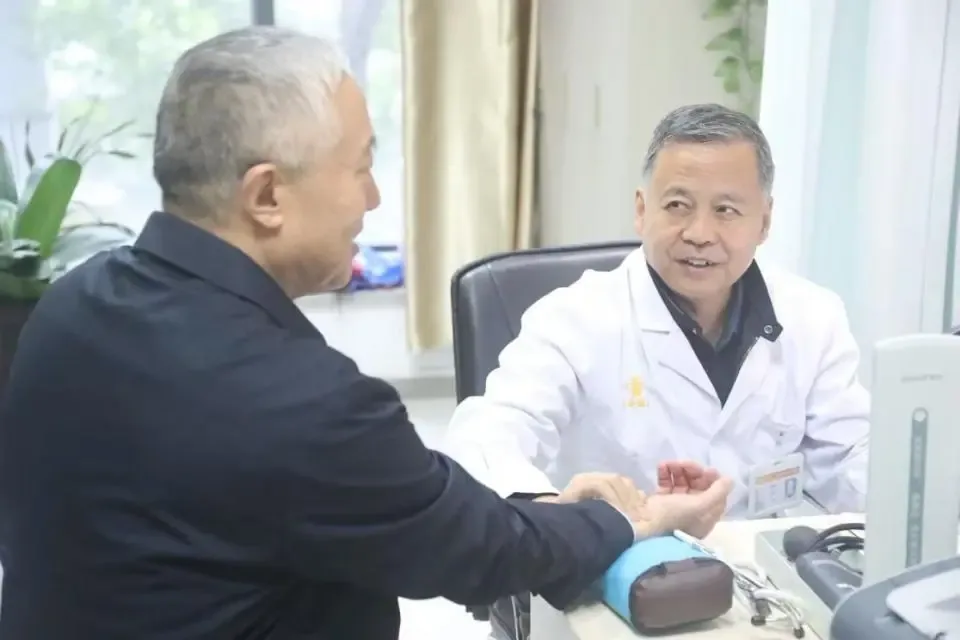
HYGEIA doctor consulting an international patient
International Patient Consultations
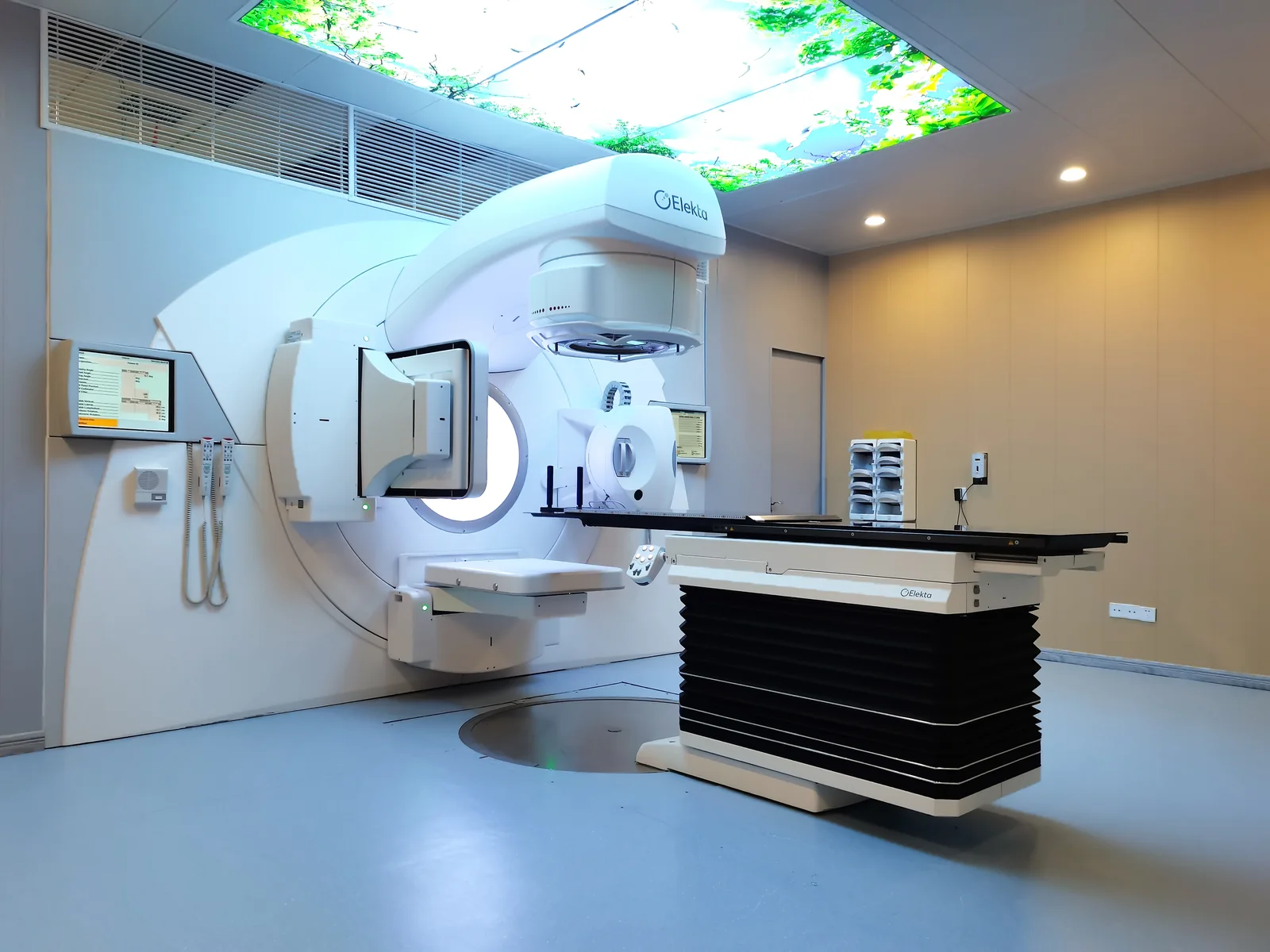
Image-guided radiotherapy planning at HYGEIA
Image-Guided Radiotherapy

Inside a HYGEIA Hospital

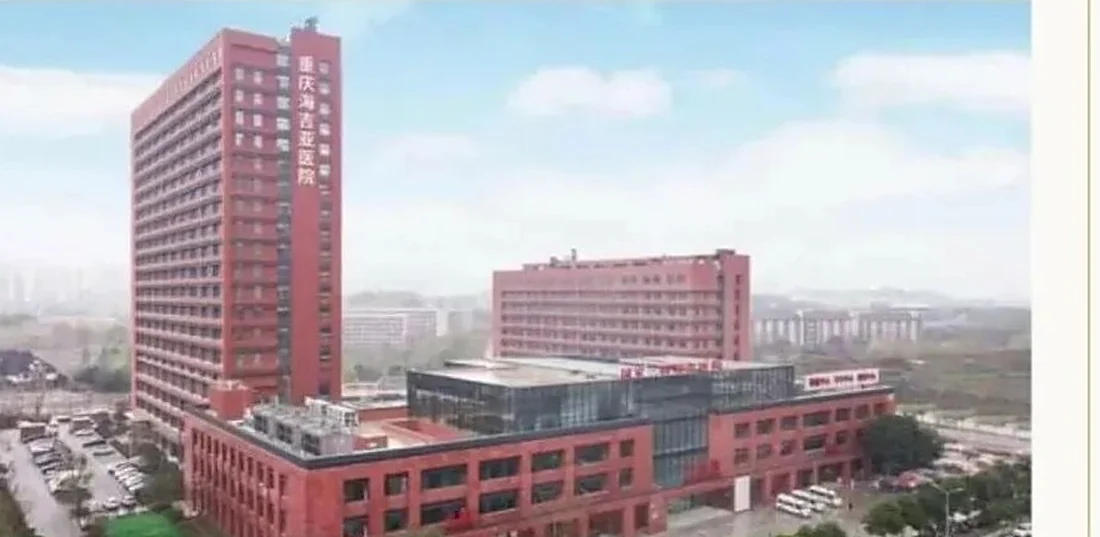
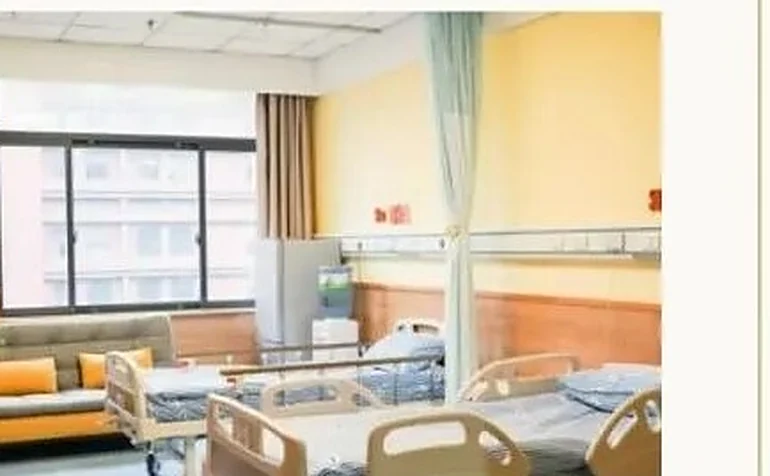
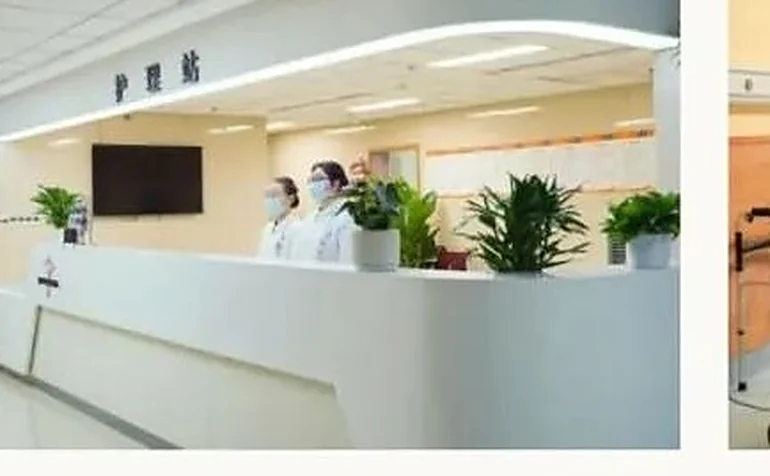
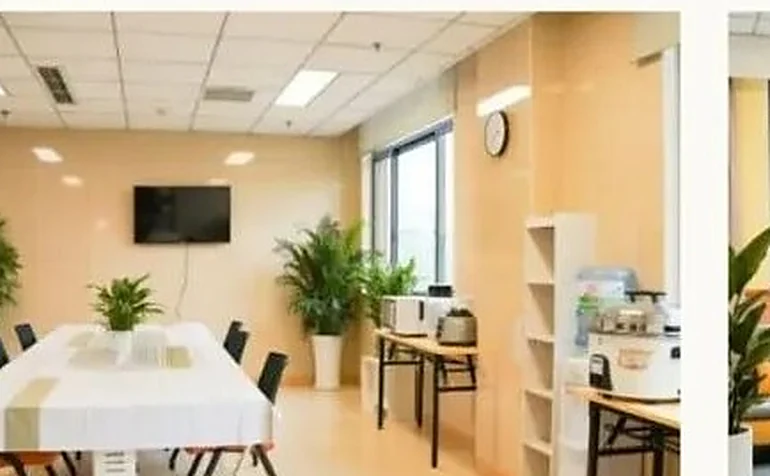
A purpose-built tertiary cancer campus in Chongqing — private inpatient rooms, dedicated nurse stations and day-care lounges designed for long-stay oncology treatment.

Chongqing HYGEIA Hospital main campus building
Chongqing HYGEIA Hospital — flagship campus
Private inpatient room with adjustable beds at HYGEIA
Private Inpatient Rooms
Nurse station on an inpatient floor at HYGEIA
Dedicated Nurse Stations
Patient day lounge with dining area and television
Patient Day Lounge

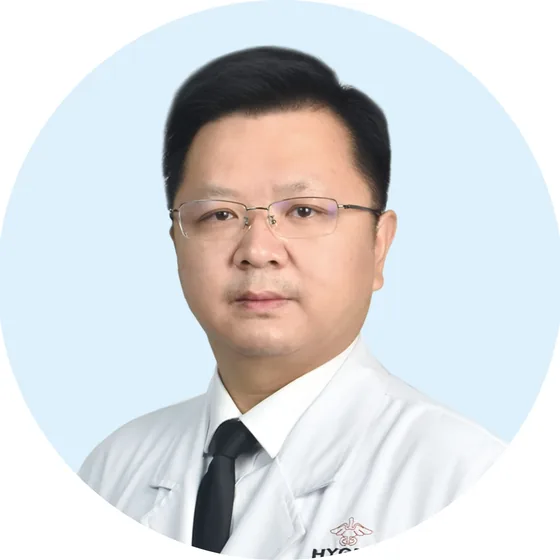
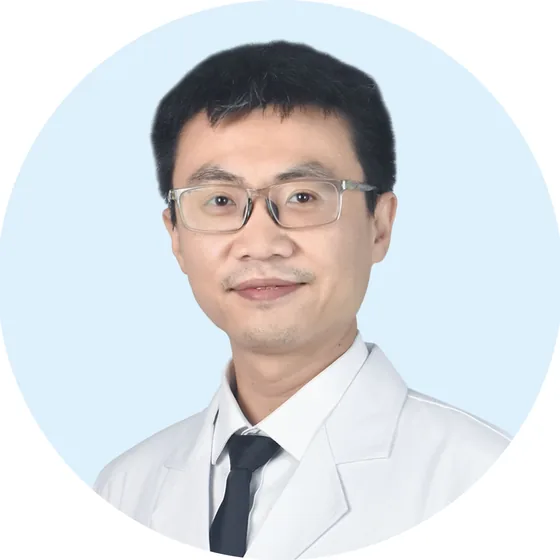
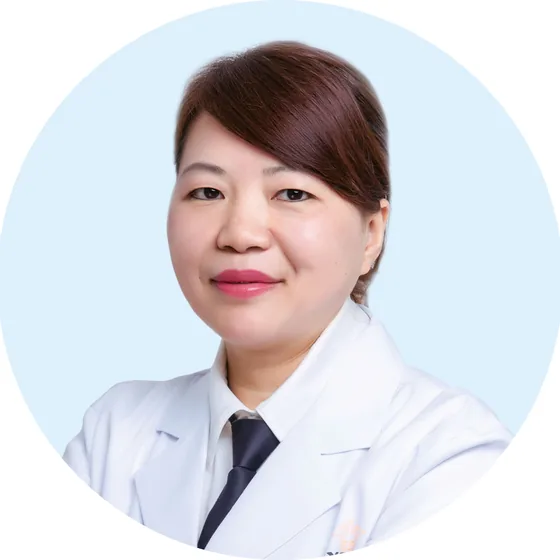
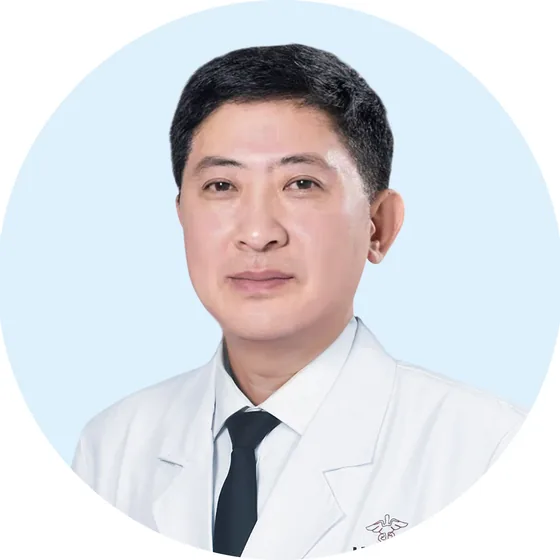
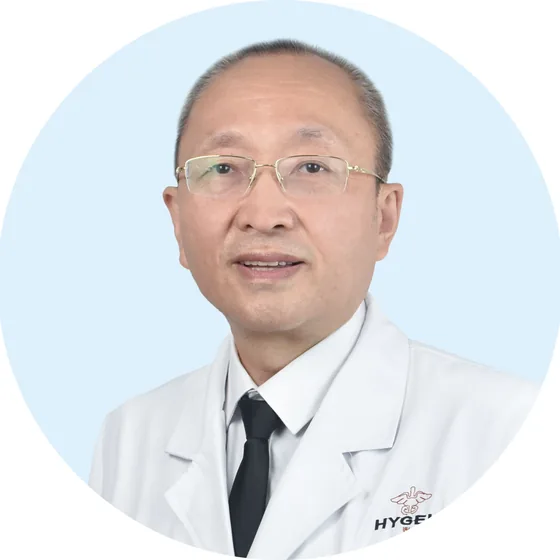
The Specialists Behind Your Treatment Plan

Medical oncologists, surgical oncologists, radiation oncologists and pathologists who review every case together before treatment begins.

HYGEIA oncology specialist HYGEIA oncology specialist HYGEIA oncology specialist HYGEIA oncology specialist HYGEIA oncology specialist HYGEIA oncology specialist

Frequently Asked Questions

Answers to the questions international patients ask most before travelling.

Most patients begin with a five to seven day evaluation, during which imaging is repeated, the multidisciplinary team reviews the case and a written treatment plan is issued. Surgery usually means a two to three week stay, while radiotherapy and chemotherapy are scheduled in cycles. The case manager confirms the exact timeline in writing before flights are booked.

Yes. The international patient centre issues visa invitation letters, arranges airport pickup and hospital transfers, provides English speaking coordinators, organises medical interpretation in Arabic, Russian and other languages on request, and helps book accommodation close to the hospital.

Yes. Imaging, pathology reports and treatment history can be submitted for remote review. The multidisciplinary team returns a written opinion covering diagnosis, the treatment options available at HYGEIA and the expected care plan, so a decision can be made before committing to travel.

Send the most recent imaging on disc or film together with the written report, the pathology report, recent blood tests, a summary of treatment received so far and a list of current medicines with doses. Records in English are easiest, but scans and reports in any language can be reviewed and translated by our team.

Yes. An English speaking coordinator is assigned to every international patient, and interpretation in Arabic, Russian and other languages can be arranged for consultations, ward rounds and consent discussions. Key documents such as the treatment plan and discharge instructions are provided in English.

Yes. A companion can stay with you in the room, and single rooms are available on request. Companions are welcome to attend consultations and be present when the treatment plan is explained.

Most colon operations do not require one. For low rectal cancer a temporary stoma is sometimes created to protect the join while it heals, and it is usually reversed after a few months. A permanent stoma is needed only when the anal sphincter cannot be preserved.

Yes. Laparoscopic and robotic total mesorectal excision are performed routinely, allowing precise dissection in the narrow pelvis with better nerve preservation. Suitability depends on tumour height, body habitus and previous surgery.

Ready to Discuss Your Treatment Options?

Our oncology team is available for remote consultation to assess your case and recommend the best treatment approach.

Request a Consultation Chat on WhatsApp